Waist-to-height ratio: the most useful at-home measurement most people ignore
TechNSports Team · · 7 min read
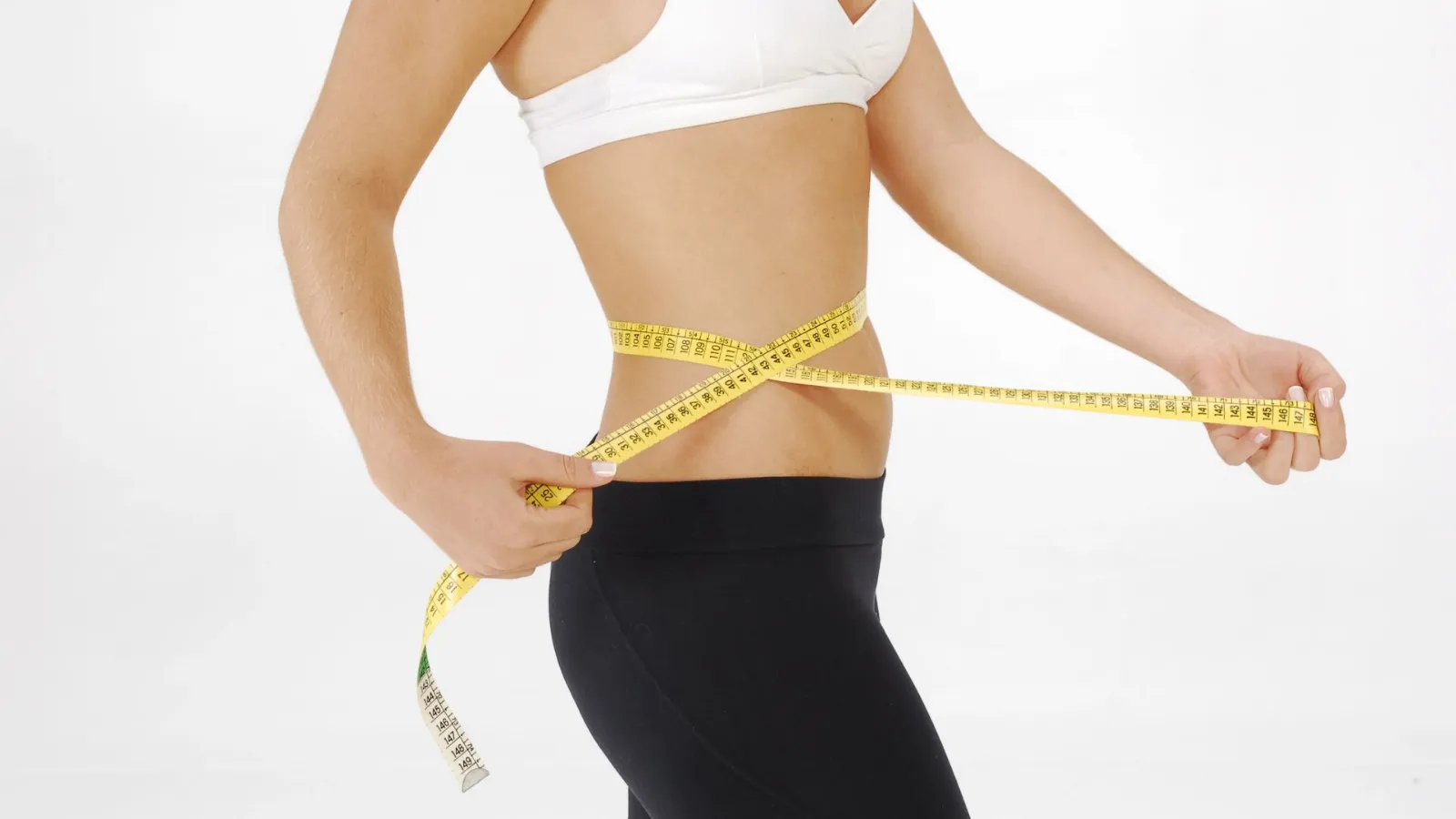
With a sewing tape measure and two minutes in front of the mirror, you can get one of the most robust indicators of metabolic risk there is. You don’t need a scale, an app or a lab. The rule fits in one sentence: your waist should measure less than half your height. That is the waist-to-height ratio, and although the world’s most respected health bodies have recommended it for years, most people have never calculated it. Here we explain what it is, why it works so well and what to do with your result.
What is the waist-to-height ratio and how is it calculated?
The waist-to-height ratio is calculated by dividing your waist circumference by your height, both in centimeters. If you are 170 cm tall and your waist measures 82 cm, your ratio is 82 ÷ 170 = 0.48. The goal, according to the obesity guideline from the UK’s NICE (the 2022 update of its guideline on identifying and classifying overweight and obesity), is to keep the ratio below 0.5. Put simply: your waist should measure less than half of how tall you are.
What makes this measurement valuable is its universality. The same 0.5 rule applies to men and women, to people with different builds and across a wide range of ages, because dividing by height adjusts the ratio on its own to the size of each body. NICE recommends using it in adults with a body mass index below 35 (NICE, 2022).
Why does it predict risk better than BMI or the scale?
The short answer: because it captures where the fat is, not just how much the body weighs. The fat that accumulates in the abdomen, around the liver, the pancreas and the intestines, is called visceral fat, and it is not passive storage. It is metabolically active tissue that releases fatty acids and inflammatory molecules straight to the liver. Over time, that constant flow promotes insulin resistance, disrupts blood lipids and raises blood pressure. That is why two people at the same weight can have very different risks: where the fat is stored matters.
BMI can’t see any of this, because it only relates weight to height. It doesn’t distinguish muscle from fat, or subcutaneous fat from visceral fat. Waist circumference, by contrast, directly reflects abdominal accumulation, and dividing it by height makes it comparable between people of different heights.
The evidence supports this logic. A meta-analysis published in Obesity Reviews (Ashwell, Gunn and Gibson, 2012) compared the three indicators and concluded that the waist-to-height ratio is a better screening tool than waist circumference alone and than BMI for detecting cardiometabolic risk factors in adults, including type 2 diabetes, hypertension and abnormal cholesterol and triglycerides. On this blog we have already explained why BMI falls short as an individual measure; the waist-to-height ratio corrects a good part of those shortcomings while asking nothing more of you than a tape measure.
How do you measure your waist correctly at home?
The correct technique, according to the World Health Organization protocol (WHO, 2011), is to measure at the midpoint between the last rib and the iliac crest, which is the top edge of the hip bone, at the end of a normal exhalation. In practice:
-
Stand up, with your abdomen relaxed and your weight evenly distributed on both feet.
-
Use your fingers to find your last rib and the top edge of your hip on your side; the midpoint between them usually falls at navel level or slightly above.
-
Wrap the tape around your waist horizontally, snug against the skin but without compressing it.
-
Breathe out normally and take the reading. Repeat the measurement and use the average if the two differ.
The most common mistakes are measuring where your pants sit (usually lower than the correct point), sucking in your abdomen and letting the tape tilt. Always measuring at the same time of day, preferably in the morning, makes your comparisons much more reliable.
Which values are considered healthy and which indicate risk?
The NICE classification (2022) for adults with a BMI below 35 uses three ranges. A ratio of 0.4 to 0.49 is considered healthy: central adiposity is not increased. A ratio of 0.5 to 0.59 indicates increased risk, and it is the signal to start taking action. A ratio of 0.6 or more indicates high risk and deserves priority attention.
To make this concrete: a man who is 1.68 m tall should keep his waist below 84 cm, and a woman who is 1.56 m tall should keep hers below 78 cm. If that man reaches a 101 cm waist, his ratio is already 0.60 and falls in the high range, even if his weight on the scale doesn’t look alarming.
How common is excess abdominal fat in Mexico?
Far more common than people think. According to ENSANUT 2022, the national health and nutrition survey from Mexico’s Instituto Nacional de Salud Pública, 81.0% of Mexican adults have abdominal obesity, defined as a waist of 90 cm or more in men and 80 cm or more in women: 73.9% of men and 87.9% of women exceed that threshold. In the same survey, overweight and obesity combined affect 75.2% of adults (ENSANUT 2022).
These numbers explain why an at-home measurement like the waist-to-height ratio matters so much in Mexico: most adults are already in abdominal-risk territory, and many don’t know it because their weight or their BMI doesn’t reflect it clearly.
What should you do if your ratio came out at 0.5 or higher?
First: take it as a screening signal, not a diagnosis. A tape measure can’t tell how much of that circumference is visceral fat, subcutaneous fat or simply a different abdominal wall. What it does tell you is that it’s worth taking a closer look.
The logical next step is to measure your body composition in more detail. A body scan can estimate your muscle mass, your total body fat and your visceral fat level, and repeating it from time to time turns a stand-alone number into a trend you can actually manage. The good news is that visceral fat responds quickly: with a moderate calorie deficit, strength training, regular aerobic activity and better sleep, it tends to be among the first to decrease, sometimes even before the scale reflects it. If your ratio is in the high range, it’s also a good idea to discuss it with your doctor at your next medical visit, to consider tests such as glucose and a lipid panel.
Know your starting point
If you’ve already measured your waist and want to understand what’s behind that number, at TechNSports we help you see the full picture. In a scan session at our space in Plaza 333 in Mérida, you get your detailed body composition, including visceral fat, muscle mass and the measurements a tape measure can’t show, explained without rushing and without jargon. You can book at technsports.mx or message us on Instagram at @technsportsmex. If you’d rather start on your own with your tape measure, we think that’s a great first step too.
This article is wellness education and is not medical advice. TechNSports does not diagnose, prescribe or treat disease; for any decision about your health, consult your own doctor. Sources cited: NICE, “Obesity: identification, classification and management”, 2022 update (waist-to-height ratio classification); Ashwell M, Gunn P, Gibson S, Obesity Reviews, 2012 (meta-analysis of cardiometabolic screening); World Health Organization, “Waist circumference and waist-hip ratio: report of a WHO expert consultation”, 2011 (measurement protocol); ENSANUT 2022, Instituto Nacional de Salud Pública, “Obesidad en adultos” (prevalence and cutoff points for Mexico).
Frequently asked questions
How do you calculate the waist-to-height ratio?
Divide your waist circumference by your height, both in centimeters. If you are 170 cm tall and your waist measures 82 cm, your ratio is 0.48.
What is a healthy waist-to-height ratio?
According to the NICE classification (2022) for adults with a BMI below 35, a ratio of 0.4 to 0.49 is considered healthy, 0.5 to 0.59 indicates increased risk and 0.6 or more indicates high risk.
Where do you measure your waist correctly?
According to the World Health Organization protocol (WHO, 2011), at the midpoint between the last rib and the iliac crest, at the end of a normal exhalation, with the tape horizontal and not compressing the skin.
What should I do if my waist-to-height ratio is 0.5 or higher?
Take it as a screening signal, not a diagnosis. The logical next step is to measure your body composition in more detail and, if your ratio is in the high range, to discuss it with your doctor.